

Explore the Sahydri With Sakhi!
Dronagiri Fort: A Coastal Hill Fort Hidden in Uran, Navi Mumbai
Don’t just climb a fort live its history! The perfect blend of safety, wholesome regional meals, and guided exploration.
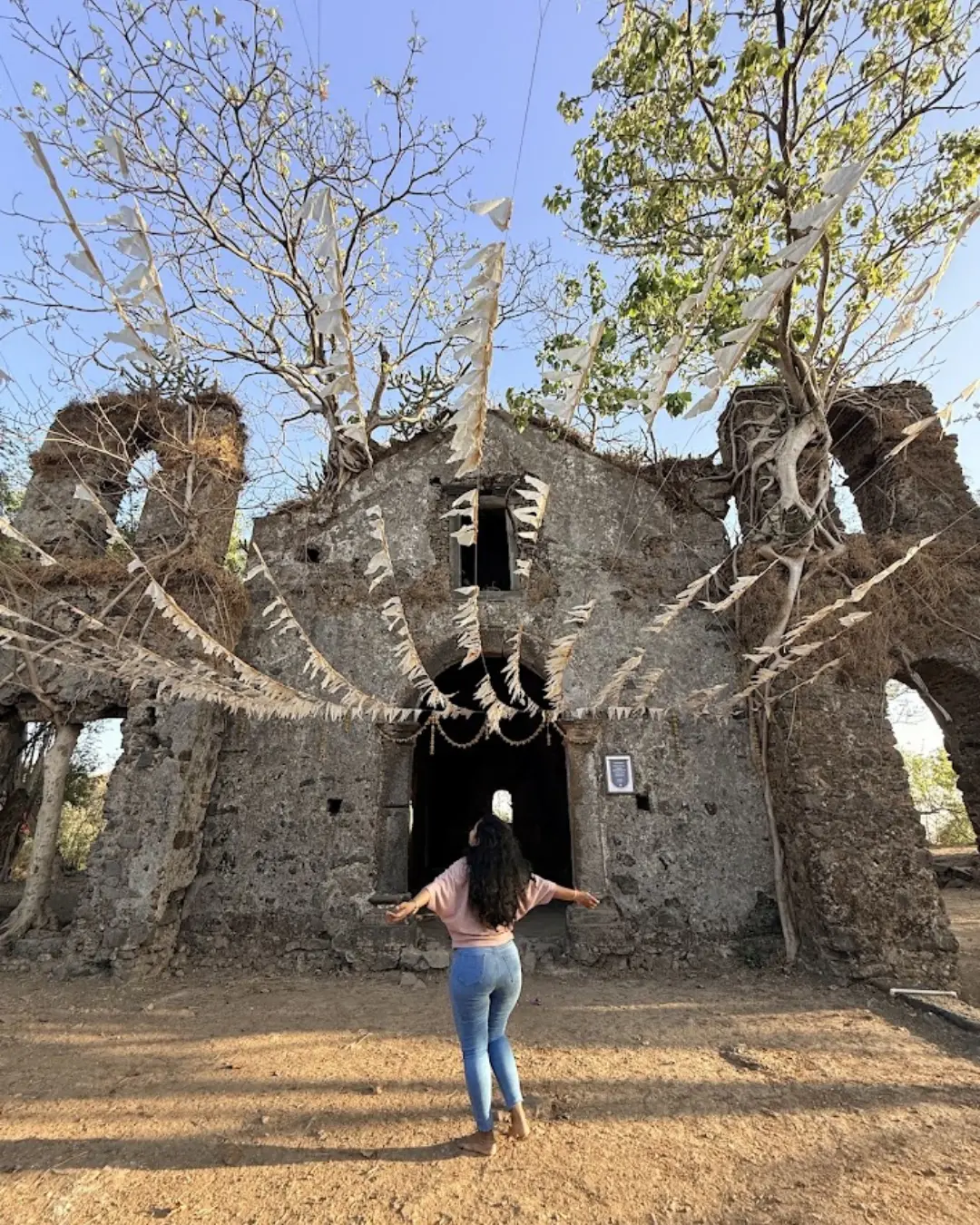
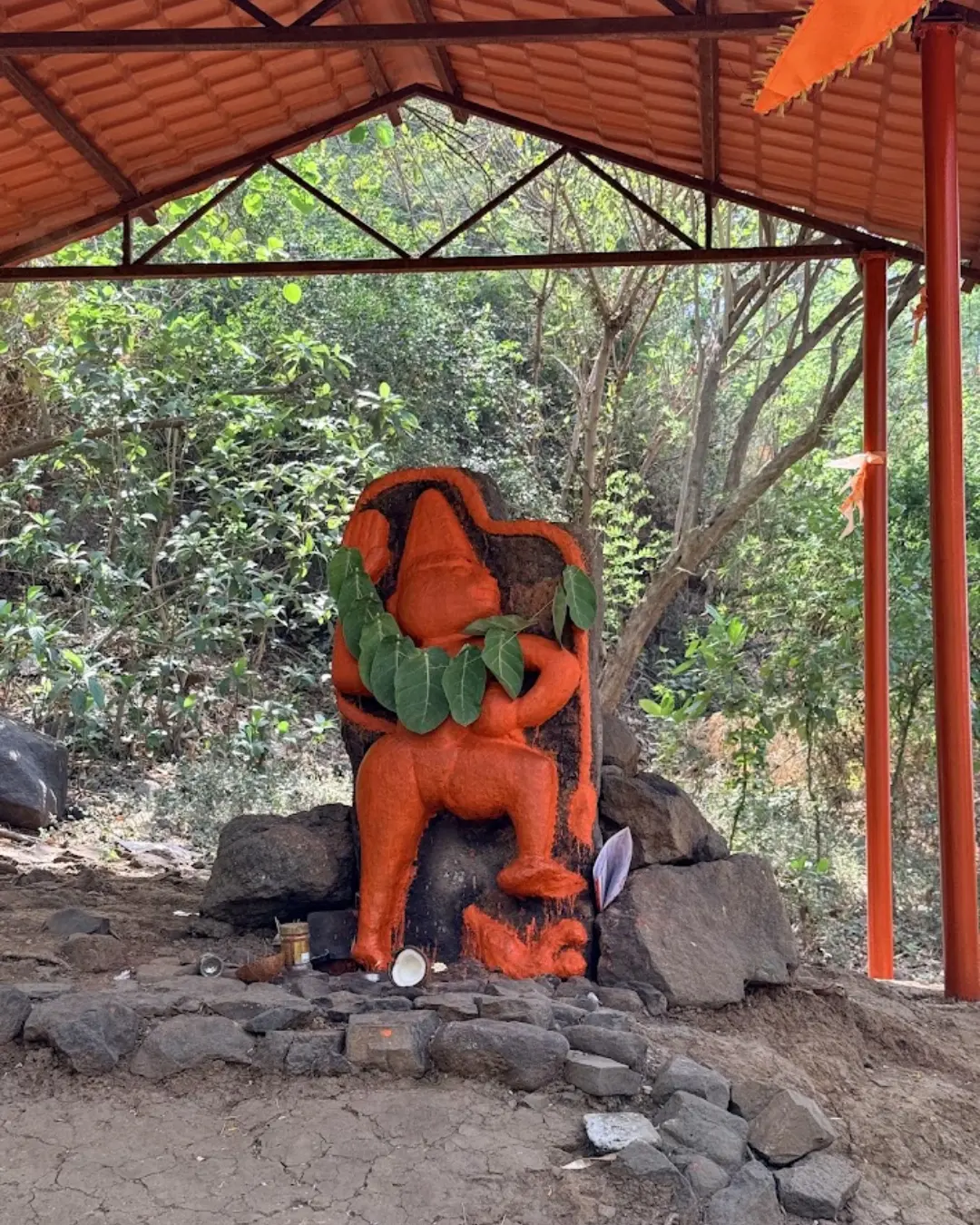
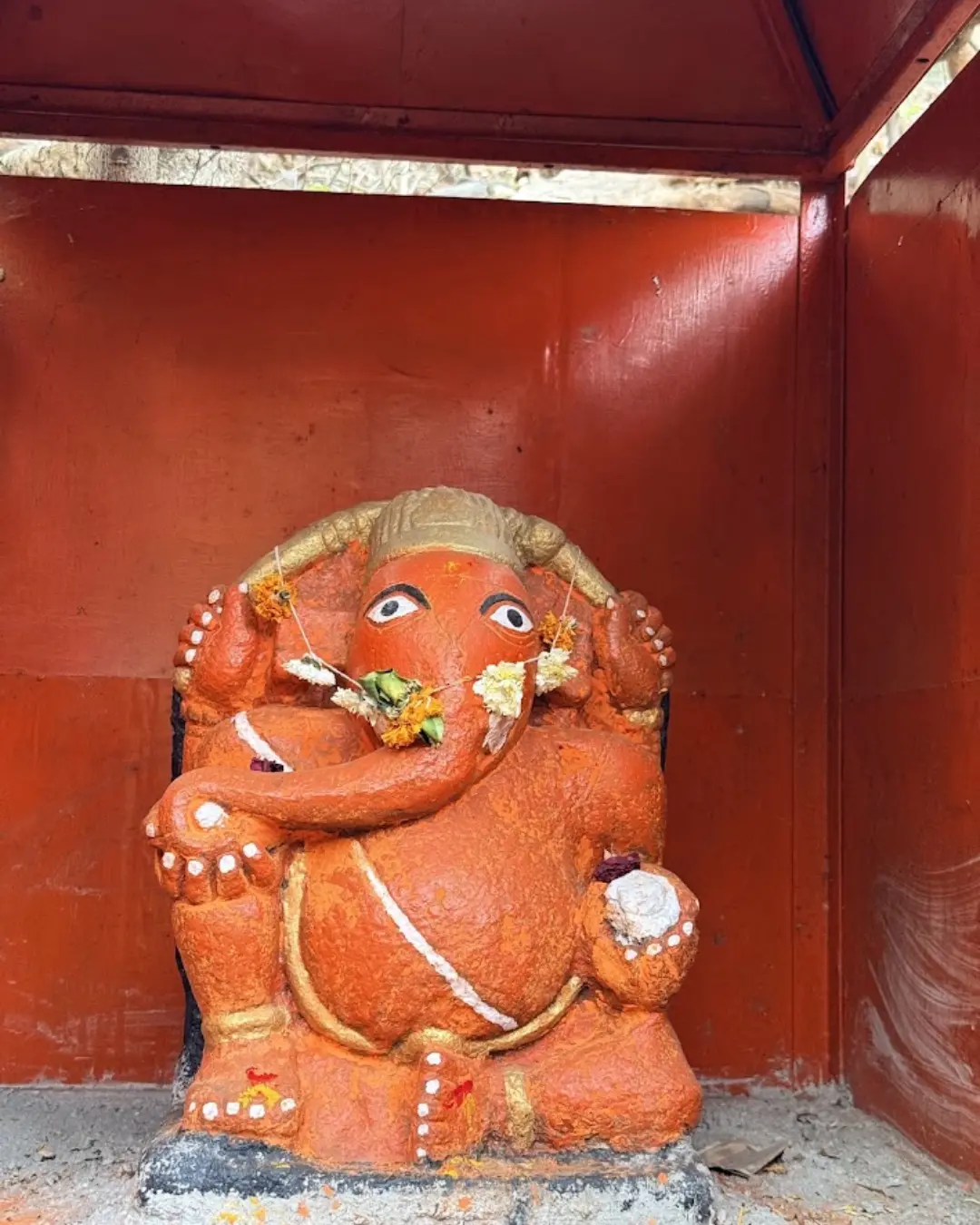
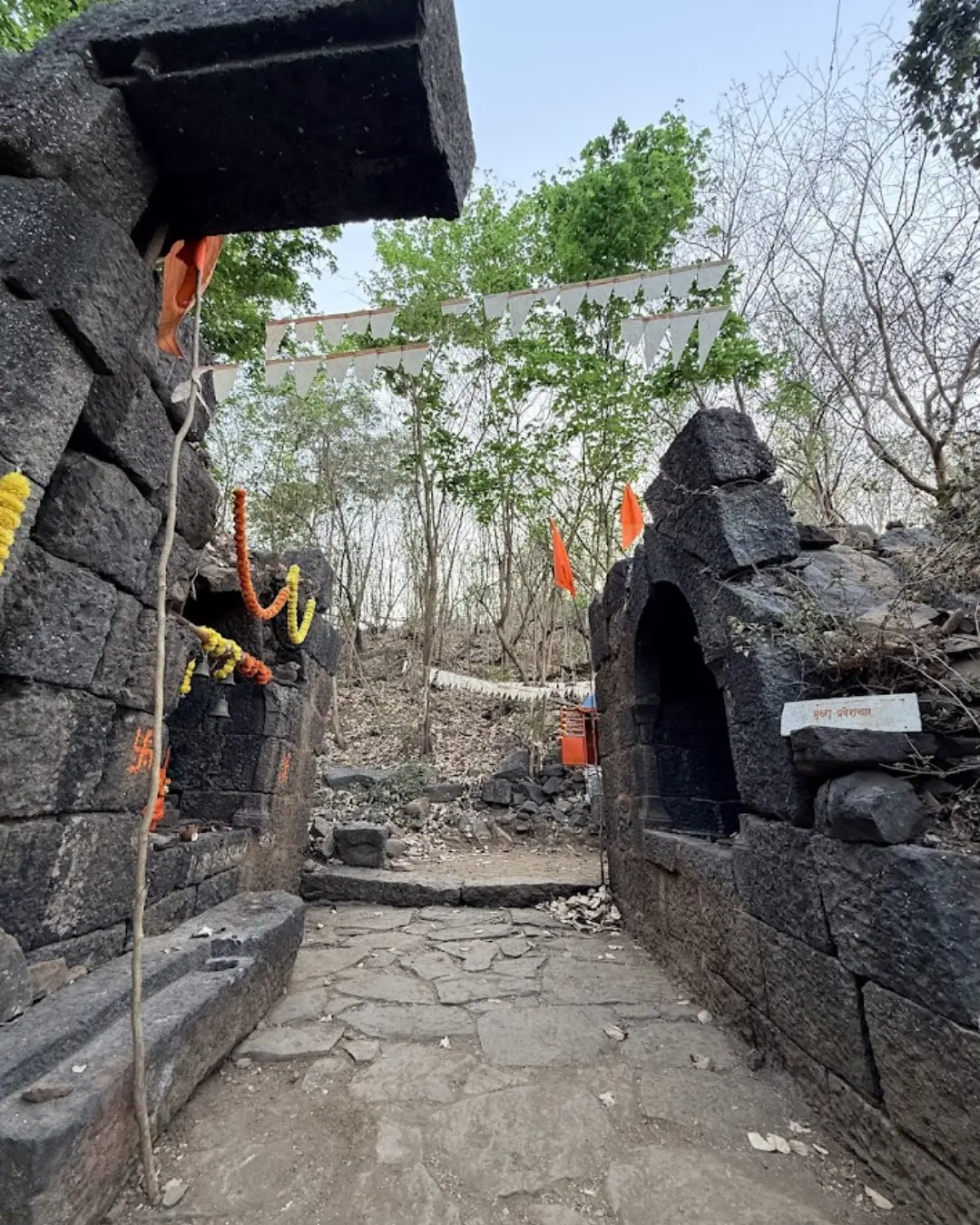
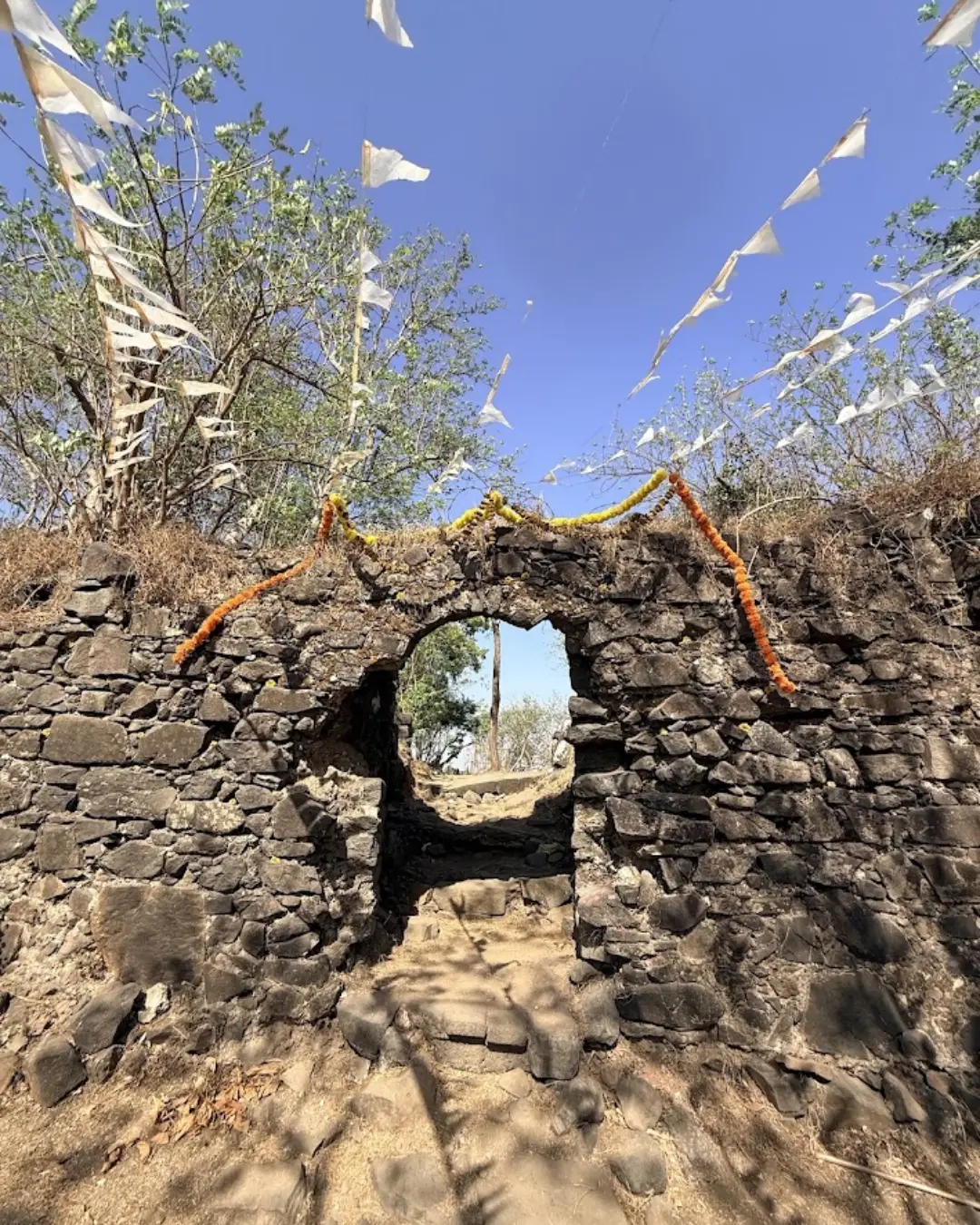
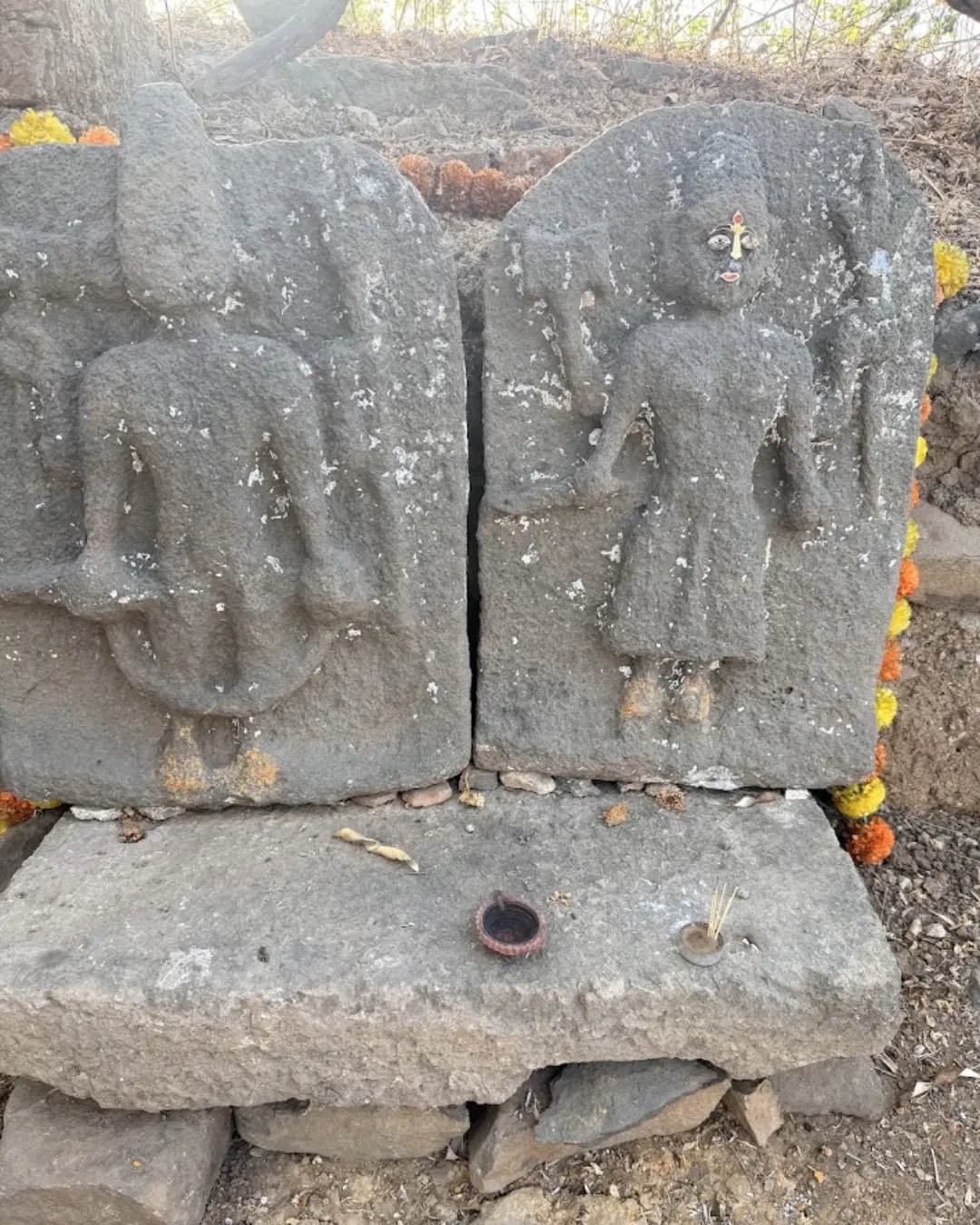
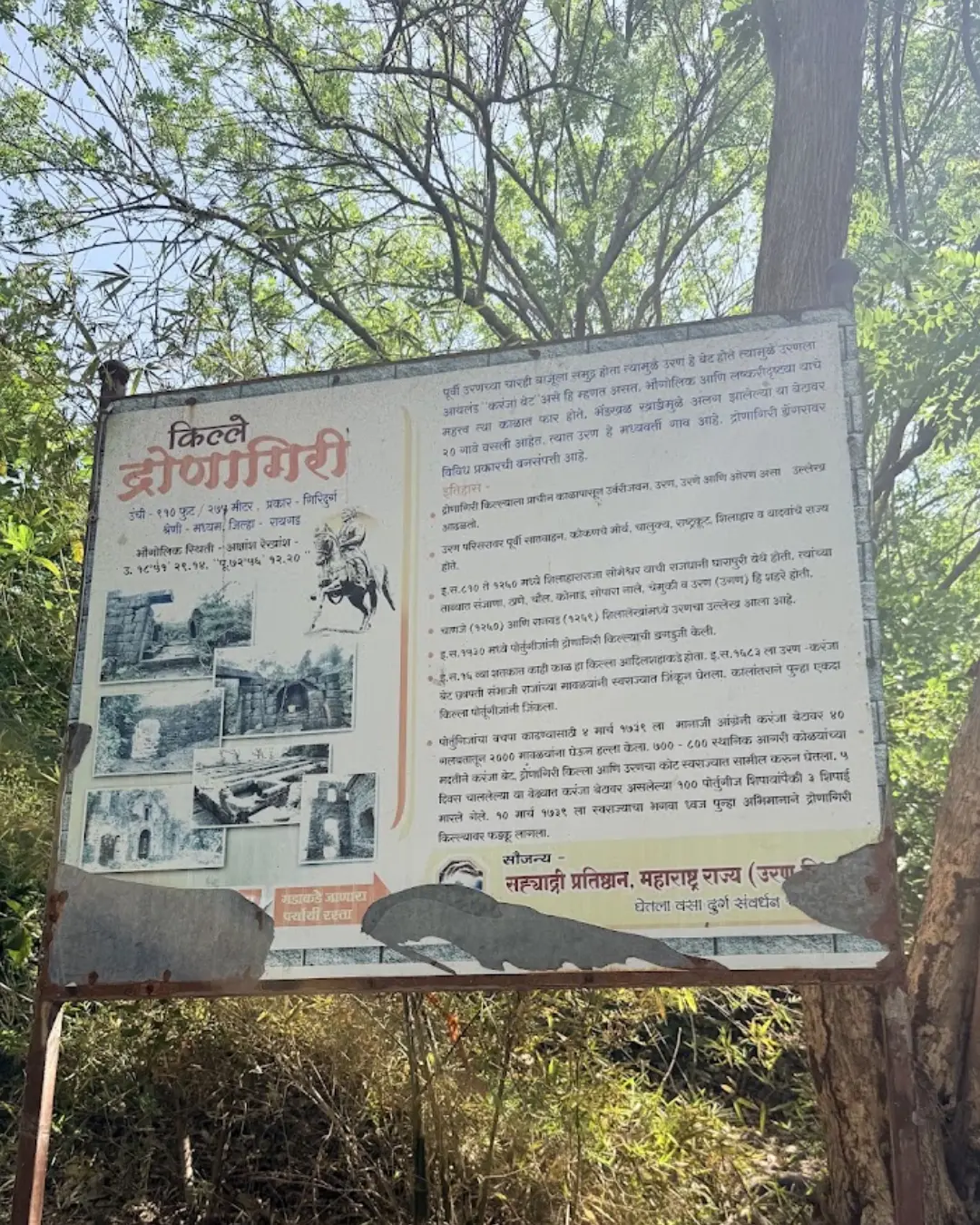

Tucked away along the Arabian Sea coast in the Uran taluka of Raigad district, Dronagiri Fort sits atop a hill on Karanja Island near Navi Mumbai. Originally built to monitor sea routes entering Mumbai harbour and the surrounding creeks, this relatively unexplored site offers an easy weekend getaway for history enthusiasts and nature lovers.
History of Dronagiri Fort
Mythological Roots: According to local lore, when Lord Hanuman carried the Sanjeevani-bearing Dronagiri mountain from the Himalayas during the Ramayana battle, a piece fell into the sea here, giving the hill its name.
Yadavas and Portuguese Rule: The fort was originally under the rule of the Devagiri Yadavas. In 1530, the Portuguese fortified the hill to defend their maritime trade interests. Franciscan friar António do Porto built churches on the hill around 1535, including the church dedicated to Nossa Senhora da Penha.
Maratha Conquest: After changing hands between regional powers and briefly falling under the Adilshahi sultanate, Maratha naval commander Manaji Angre captured Dronagiri and Uran fort on March 10, 1739. The fort eventually fell under British control in the late 18th century.
Quick Trek Overview
Location: Uran, Raigad District (Adjacent to Navi Mumbai)
Elevation: Approximately 110–111 meters above sea level
Trek Difficulty: Easy (Beginner-friendly)
Trek Duration: 45 to 60 minutes
Base Point: Daur Nagar / Dronagiri Nagar (near Uran Bus Depot)
Best Time to Visit: July to February (Monsoon and Winter)
Major Attractions on Dronagiri Fort
Ruins of the Portuguese Church (Nossa Senhora da Penha): The central citadel features the stone remnants of an ancient Portuguese church, complete with high arches and historic stonework.
Main Gateway & Guard Rooms (Devadya): The southern entrance retains structural gateways with niches. A sculpted Ganesha idol, originally embedded above the archway, rests in one of the guard chambers.
Gagaoni and Gijoni Water Cisterns: Rock-cut reservoirs built near the church complex were designed to collect rainwater during the monsoons.
Vetal Temple: A small shrine dedicated to Lord Vetal stands sheltered by a tin shed within a forested section of the hill.
Harbour & Coastal Vistas: The summit provides a panoramic view of the Arabian Sea, incoming cargo ships, the Jawaharlal Nehru Port (JNPT), and the surrounding Uran coastline.
How to Reach Dronagiri Fort
By Public Transport
Local Train: Take a harbor line local train to Uran Railway Station. From the station, take an auto-rickshaw to Daur Nagar (opposite Uran ST Bus Stand).
State Transport (ST) Bus: Regular buses connect Uran ST Depot with Panvel, Belapur, and Dadar.
By Road
From Navi Mumbai / Thane: Follow Palm Beach Road ➔ Belapur ➔ JNPT Highway toward Uran (approx. 25–35 km).
From Mumbai via Atal Setu (MTHL): Cross the Mumbai Trans Harbour Link from Sewri to Chirle, then follow the JNPT port road directly to Uran (around 40–50 minutes).
From Pune: Take the Mumbai-Pune Expressway ➔ Palaspe Phata ➔ Panvel-Uran Road to Uran town.
Trek Route Details
Head toward Daur Nagar opposite the Uran ST Bus Stand.
The trail starts at the end of the settlement near an electrical transformer.
After a gentle 10-minute climb, pass through a perimeter fence line and follow the worn path through trees along the right shoulder of the ridge.
The trail bends north toward the broken stone ramparts, leading straight into the church ruins and the citadel area within 45 to 60 minutes.
Food, Water & Accommodation
Accommodation: There are no lodging facilities or shelter huts on the fort. Camping is strictly prohibited due to security protocols in the surrounding industrial and naval zone.
Food & Water: No food stalls or potable drinking water are available on the summit. Carry at least 1.5 to 2 liters of water and light trail snacks. Uran town has plenty of local eateries and restaurants at the base.
Essential Trekking Tips
Security Precautions: The fort overlooks sensitive industrial and energy installations (including ONGC and port areas). Respect all local security signboards and avoid photography directed at restricted zones.
Ideal Timing: Coastal humidity can make midday climbs warm; start early around 7:00 AM to 8:00 AM or plan an afternoon ascent around 4:00 PM.
Leave No Trace: Carry back all personal trash and avoid defacing historical masonry.