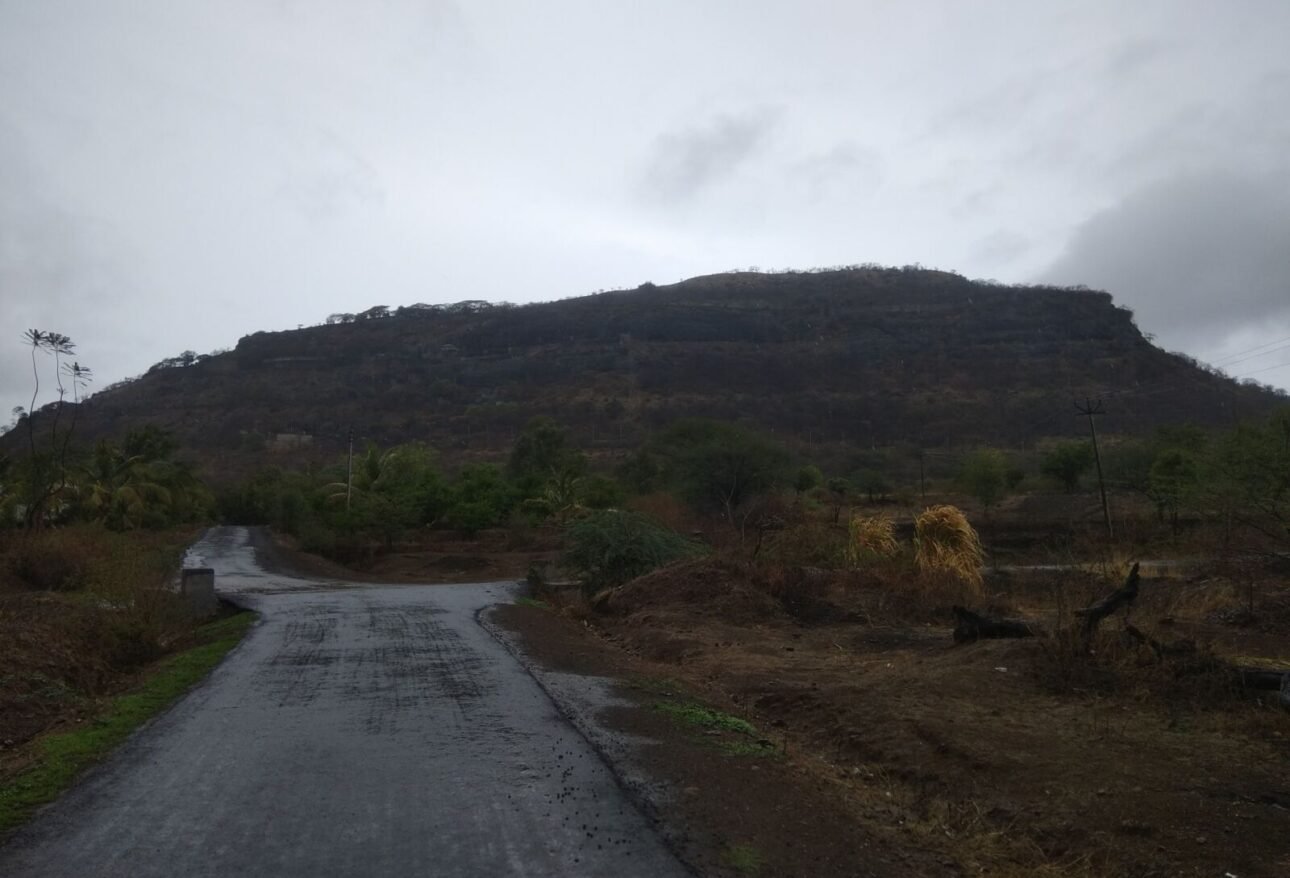
Shivneri and Chavand are two forts in the Junnar valley that are perfect together. Shivneri is the birthplace of Chhatrapati Shivaji Maharaj, an easy climb through seven historic gates. Chavand (Prasannagad), about 15 km away, is famous for its thrilling rock-cut staircase with iron railings. Doing both in one day gives you history, a little adventure and wide Sahyadri views. This Shivneri and Chavand fort trek guide covers both forts: history, routes, what to see, how to reach from Pune and Mumbai, and how to plan the day, ending at the old Kukdeshwar Mahadev temple.
Shivneri and Chavand Trek at a Glance
- Location: Junnar, Pune district, Maharashtra. Shivneri is about 2 to 3 km from Junnar town, and Chavand is about 15 km from Shivneri, above Chavandwadi village
- Distance from Pune: Junnar is about 90 km from Pune
- Height: Shivneri about 3,500 ft, Chavand about 3,400 ft
- Difficulty: Easy to moderate. Shivneri is easy; Chavand has steep rock-cut steps with railings
- Time to climb: about 1 to 1.5 hours up each fort
- Total: one full day for both forts and the Kukdeshwar temple
- Best season: end of monsoon to February
History of Shivneri: The Birthplace of Swarajya
Shivneri guarded an old trade route that ran from the Deccan plateau down to the port of Kalyan. Over the centuries it was held by the Yadavas of Devagiri, then the Bahmani Sultanate, and later the Ahmadnagar Sultanate. In 1595, Shivaji Maharaj's grandfather Maloji Bhosale was granted Shivneri and Chakan by the Ahmadnagar Sultan.
On 19 February 1630, Jijabai gave birth to Shivaji Maharaj on this fort, and he spent his early childhood here. Some accounts say his name comes from the goddess Shivai, whose temple stands on the fort. After the Third Anglo-Maratha War, the British took control in 1819.
Today Shivneri is part of the Maratha Military Landscapes, the group of Maratha forts recognised by UNESCO, which makes it one of the most important heritage sites in Maharashtra. Every year on 19 February, Shiv Jayanti is celebrated here with great devotion.
What to See on Shivneri Fort
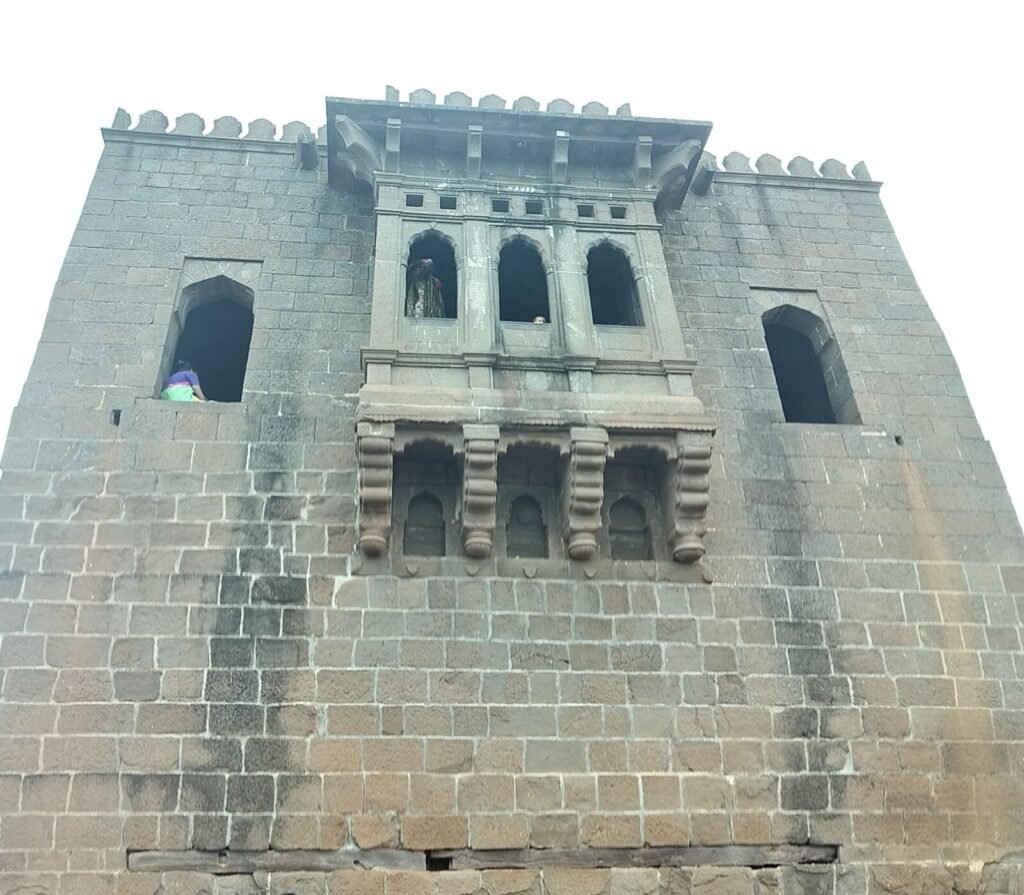
- The seven gates: the climb winds through seven strong, well-defended gateways, including the Maha Darwaja. Each one shows how hard it was to take this fort.
- Shivai Devi Temple: a small temple to the goddess Shivai, an important stop for every visitor.
- Shivaji Maharaj's birthplace: the building marked as the place where he was born, the heart of every visit.
- Badami Talav: a water tank in the middle of the fort. South of it stand statues of Rajmata Jijabai and young Shivaji.
- Ganga and Yamuna springs: two water sources inside the fort that are said to flow all year.
- Kadelot point: an overhanging cliff that was once used for punishments, with a sweeping view of the valley below.
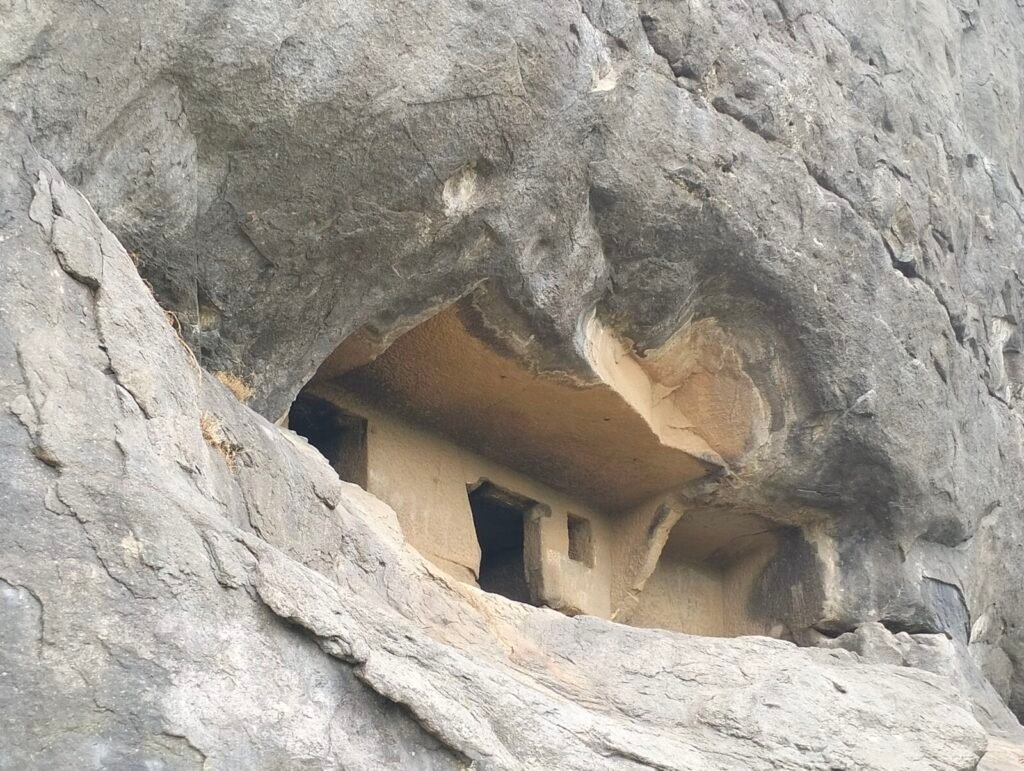
- Rock-cut caves: ancient Buddhist caves cut into the hill, much older than the fort itself.
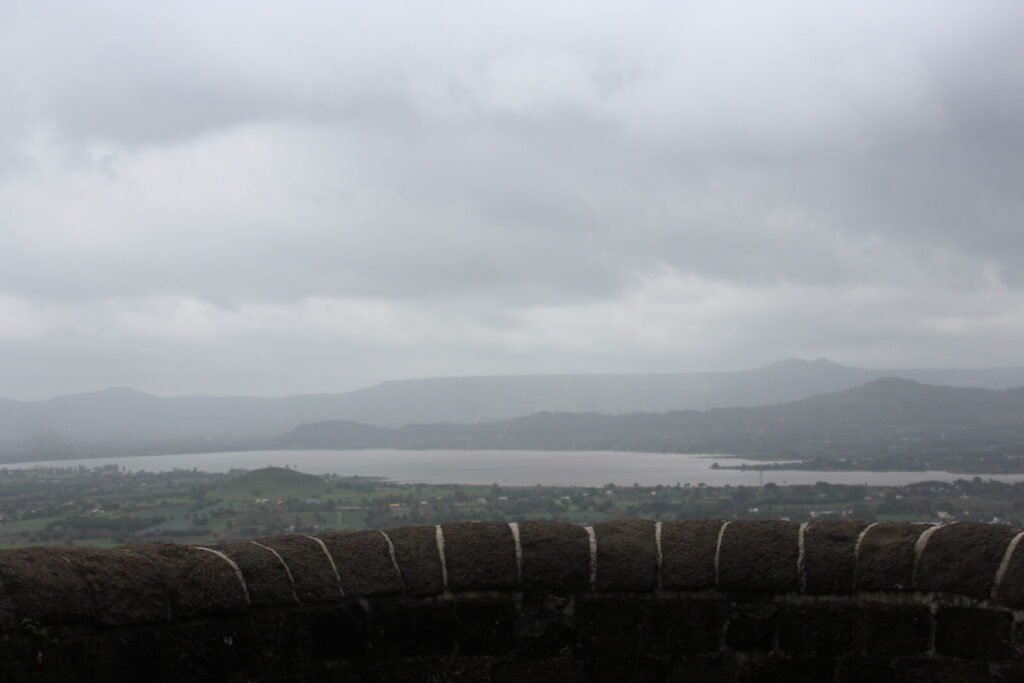
- Views: from the top you can see Narayangad, Hadsar, Chavand and Nimgiri forts around the Junnar valley.
Shivneri Fort Trek Route
Main route (recommended): from Junnar, a road leads to the base of the fort. From there a clear path and stone steps climb through the seven gates to the top. It is easy, safe, and suitable for children and older family members, taking about 1 to 1.5 hours at a relaxed pace.
Chain route: on the western side there is a steep route where you climb with the help of chains to reach a gate. This is only for experienced trekkers with proper guidance, and not for a first visit.
Chavand Fort (Prasannagad): The Rock-Cut Staircase
Chavand, also known as Prasannagad, rises above Chavandwadi village about 15 km from Shivneri. Like Shivneri, it watched over the old trade route of the Junnar valley and the Naneghat pass. Its signature is a long staircase carved straight into the rock, with iron railings to hold on to. It looks dramatic from below, but with the railings and a steady pace it is very doable for beginners.
Chavand Trek Route
From Chavandwadi, a trail crosses open scrub to a col below the fort. From there the rock-cut steps climb steeply to the main gate. The full climb takes about 1 to 1.5 hours. Hold the railings, climb one step at a time, and take extra care when the steps are wet.
What to See on Chavand
- The rock-cut steps: the most memorable part of the trek, cut into the cliff with iron railings.
- Chamunda Devi Temple: a small temple on the top plateau.
- Saptatake (seven cisterns): a group of seven rock-cut water tanks in a row.
- Old granaries and remains: traces of the storerooms and buildings of the fort.
- 360 degree views: Jivdhan, Naneghat, Hadsar, Shivneri and the Manikdoh dam lake.
For more detail on this fort alone, read our Chavand Fort trek guide.
Shivneri vs Chavand: Which Is Harder?
- Shivneri: easy. A well-made path and steps through seven gates, good for children and older family members.
- Chavand: easy to moderate. Shorter, but steeper, with the rock-cut steps and railings near the top.
Doing Shivneri first in the morning and Chavand after lunch is the usual plan, so the steeper climb comes when you are warmed up.
How to Reach Shivneri and Chavand
- From Pune: Junnar is about 90 km away by road. Buses run from Pune to Junnar, and from Junnar town it is a short drive to the base of the fort.
- From Mumbai: the usual road route goes through Malshej Ghat to Junnar. Most trekkers travel overnight and start the climb early in the morning.
- Shivneri to Chavand: about 15 km by road to Chavandwadi, the base village of Chavand.
- Nearest town: Junnar, which has food, fuel and basic stays.
Best Time to Visit Shivneri
The best time is from the end of the monsoon until about February, when the hills around Junnar are green and the weather is pleasant. The monsoon is beautiful but the steps can be slippery. Shiv Jayanti on 19 February is a special day to visit, but expect large crowds. Summer is hot on the open sections.
A One-Day Plan: Shivneri, Chavand and Kukdeshwar
- Early morning: reach Junnar, breakfast and a short briefing
- Morning: climb Shivneri through the seven gates, visit the birthplace, Shivai Devi temple and Badami Talav
- Midday: drive about 15 km to Chavandwadi and have a village lunch
- Afternoon: climb the rock-cut steps of Chavand and explore the Saptatake cisterns and the Chamunda Devi temple
- Evening: visit the Kukdeshwar Mahadev temple near the source of the Kukadi river, then head home
Lenyadri, one of the Ashtavinayak temples set in ancient rock-cut caves, is also close to Shivneri if you have extra time.
Things to Carry
- 2 litres of water and some snacks
- Trekking shoes with good grip, important for the rock-cut steps of Chavand
- A cap and sunscreen for the open stretches
- A rain jacket in the monsoon
- An ID card and a little cash
Join Our Shivneri, Chavand and Kukdeshwar Trek
We run the Shivneri, Chavand Fort and Kukdeshwar Temple trek with pickups from Mumbai and Pune, breakfast, a village lunch, and a guide who shares the history of every gate. It is a beginner-friendly one-day trek, ideal for families, history lovers and solo women travellers. Message us on WhatsApp to know the next batch date. See all upcoming treks, or read our guide to weekend treks from Pune.
Shivneri and Chavand Trek: Frequently Asked Questions
Where is Shivneri Fort?
Shivneri Fort is near Junnar in Pune district, Maharashtra, about 2 to 3 km from Junnar town and about 90 km from Pune.
Why is Shivneri Fort famous?
Shivneri is the birthplace of Chhatrapati Shivaji Maharaj, who was born here on 19 February 1630. It is also known for its seven gates, the Shivai Devi temple and Badami Talav.
How long does it take to climb Shivneri?
About 1 to 1.5 hours to the top by the main route at a relaxed pace, plus time to explore the fort.
Is the Shivneri trek easy for beginners and children?
Yes. The main route has a clear path and steps through the gates, so it is one of the easiest fort treks near Pune and suitable for families.
What is the best time to visit Shivneri Fort?
From the end of the monsoon to February. Shiv Jayanti on 19 February is special, but very crowded.
How difficult are the Chavand rock-cut steps?
They are steep but have iron railings all the way. Beginners can climb them slowly and safely. Take extra care in rain, when the steps can be slippery.
How far is Chavand from Shivneri?
About 15 km by road. Chavandwadi village at the base of Chavand is a short drive from Junnar.
Can I visit Chavand and Shivneri on the same day?
Yes. Chavand Fort is about 15 km from Shivneri, so both forts and the Kukdeshwar temple fit into one day. Our group trek covers all three.
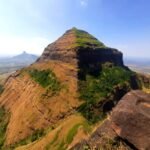
Cover photo: View of Shivneri Fort by भाविका राका, CC BY-SA 4.0, via Wikimedia Commons.