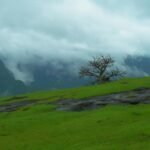
From the middle of June the Sahyadri changes completely. Brown ridges turn deep green inside a fortnight, seasonal waterfalls appear on faces that were dry all summer, and cloud sits on the plateaus for days at a time. It is the season most Maharashtrians think of when they think of trekking - and it is also the season that catches people out, because the same rain that makes the range beautiful makes the rock slippery.
These are the monsoon treks we run, what the rain actually changes on each one, and how to walk them safely.
Easy monsoon treks
1. Tikona Fort, Maval
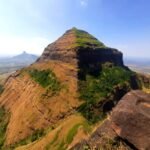
An hour from Pune, above Pawna Lake. In the monsoon the lake fills, cloud rolls across the triangular summit, and the whole climb takes under an hour on broad steps. The best introduction to monsoon trekking there is.
2. Karnala Fort, Panvel
A shaded climb through the Karnala Bird Sanctuary to a basalt pinnacle. The forest is at its thickest in the rains and the trail stays largely under canopy, which makes it one of the more comfortable wet-weather walks near Mumbai.
3. Dronagiri Fort, Uran - ₹299
A coastal hill rather than a Sahyadri ridge, which means lower rainfall and a trail that stays walkable even on heavy days. Reached entirely by local train.
Moderate monsoon treks
4. Ratangad, Bhandardara
The fort that defines the monsoon for a lot of trekkers. Waterfalls open along the trail, the Bhandardara reservoir fills below, and cloud blows straight through the Nedhe - the hole carved clean through the summit ridge. Iron ladders near the top have railings, but they are wet and need care.
5. Raigad Fort, Mahad
Climbing the capital in the rain is a different experience from climbing it in winter. Small waterfalls run down the stone steps, mist blows across the bastions, and the Maha Darwaja appears out of the cloud rather than from a distance.
6. Sudhagad, Pali
A broad plateau fort that stays green and empty through the rains. Long rather than steep, which makes it a safer pick than the short, sharp climbs when the rock is wet.
7. Mahuli Fort, Asangaon
The highest point in Thane district, and a wall of waterfalls in July and August. The upper ladders demand attention in the wet.
8. Upandya Ghat to Madhe Ghat
Less fort, more forest. The ghat trails south-west of Pune run alongside streams the whole way in the monsoon and finish near the Madhe Ghat waterfall, which is only worth seeing in this season.
Upandya Ghat to Madhe Ghat Trek →
9. Brahmagiri, Trimbakeshwar
The hill above the Trimbakeshwar Jyotirlinga and the source of the Godavari. Stone steps the whole way, and cloud across the plateau for most of the season.
Harder monsoon treks
10. Bhimashankar via Ganesh Ghat
A long forest climb through a wildlife sanctuary to one of the twelve Jyotirlingas. The forest is at its best right after the monsoon, and the stream crossings on the way up are part of the appeal. Ganesh Ghat is the route to take in the rains - the Shidi Ghat ladders are best avoided when wet.
11. Gorakhgad, Murbad
A rock spire with a spiral of steps cut into its face. Spectacular in cloud, but the exposed final section is genuinely slippery in heavy rain, so we watch the forecast closely on this one.
12. Rajgad to Torna Range Trek
The 16-18 km ridge crossover between the first Maratha capital and the first fort Chhatrapati Shivaji Maharaj captured. In the monsoon the ridge is green from end to end and the drops on either side disappear into cloud. Long, exposed and only for trekkers with some endurance behind them.
What the rain actually changes
- Grip. Basalt covered in moss and water is the single biggest risk on a monsoon trek - far more than height or distance. Shoes matter more than fitness.
- Visibility. Cloud can close in within minutes. Stay with the group; do not wander to an edge for a photograph.
- Water crossings. A stream that was ankle-deep in the morning can be knee-deep by afternoon after a heavy spell upstream.
- Leeches. Common on forested trails like Bhimashankar. Salt or a mix of tobacco and water on your shoes handles them.
- Daylight. Overcast days get dark earlier than you expect, which is why monsoon batches start before dawn.
Monsoon trekking gear
- Trekking shoes with deep lugs - not running shoes, not flat-soled sneakers
- A poncho or a rain jacket that lets you move your arms
- A dry bag or two plastic bags for your phone, wallet and a change of clothes
- 2-3 litres of water - you still dehydrate in the rain
- Quick-dry clothing; cotton stays wet and cold all day
- A torch with spare batteries, and personal medicines in a sealed pouch
Travelling from one of the two big cities? See everything we run within reach of each: treks near Mumbai and treks near Pune, both ordered by distance.
Frequently asked questions
When does the monsoon trekking season start in Maharashtra?
Usually the second or third week of June, once the first good spells have settled the dust and brought the green out. It runs through to late September, and the first half of October is often the most beautiful window of all - green hills with clearing skies.
Which is the best monsoon trek near Mumbai?
Ratangad for the full experience, Karnala or Dronagiri if you want something easy and close. Mahuli and Gorakhgad are spectacular but need care on wet rock.
Which is the best monsoon trek near Pune?
Tikona above Pawna Lake for an easy day, the Upandya-Madhe Ghat crossover for waterfalls, and Rajgad to Torna if you want a long ridge day.
Is monsoon trekking safe?
With the right shoes, a group and a leader who knows the trail, yes. The risks are slips on wet rock, poor visibility and rising stream levels - all of which are managed by pace and route choice rather than fitness. We change or cancel a route when the forecast calls for it.
What should I wear for a monsoon trek?
Quick-dry full-sleeve clothing, full-length trousers, and trekking shoes with real grip. Carry a poncho, and pack a dry set of clothes in a plastic bag for the journey home.
Are there leeches on monsoon treks?
On forested trails, yes - Bhimashankar in particular. They are harmless; rub salt on your shoes and socks before the forest section and check your ankles at breaks.
Pick a monsoon date
All our departures with dates, prices and pickup points are on the upcoming treks page. Not sure which trail suits the conditions on your date? Message us on WhatsApp at +91 8976874681.