More and more women are heading to the Sahyadris on their own, and for good reason. A weekend on a fort clears the head like nothing else. But if it is your first time, it is natural to wonder: is trekking safe for solo women in Maharashtra? The short answer is yes, if you plan well, choose the right trek and go the right way. This guide covers practical safety tips, the best treks for women trekking solo, what to pack, and why joining a group trek is the easiest way to start.
Is Trekking Safe for Solo Women in Maharashtra?
The popular forts around Mumbai, Pune and Nashik see thousands of trekkers every weekend, and many of them are women travelling on their own. Well-known routes have clear trails, village hosts at the base, and other trekkers on the way. Most of the real risks on a trek are not about being a woman at all. They are about getting lost, the weather, a slip on wet rock, or running out of water. With some planning, all of these can be avoided.
The safest way to begin is with a group trek run by an organiser you trust. You travel with others, a trek leader knows the route, and you never have to worry about transport or finding the base village at night.
Solo Trek or Group Trek: Which Is Better?
- Going completely alone: only for experienced trekkers, on busy and well-marked routes, in daylight. Not recommended for a first trek, a night trek or a remote fort.
- Joining a group trek solo: the best choice for most women. You book on your own, but you climb with a group, a trek leader and a planned route, and you often make new trekking friends.
Safety Tips for Women Trekking Solo
Before the trek
- Choose a known organiser: check reviews, ask past trekkers, and confirm who the trek leaders are and how many people will be in the group.
- Share your plan: send the trek name, route, organiser details and expected return time to a family member or friend.
- Start with an easy, popular fort: a busy, well-marked route is the best first experience.
- Check the weather: avoid heavy rain days, especially on routes with streams or steep rock.
- Keep your phone charged: carry a power bank, and know that network can be weak in base villages.
During the trek
- Stay with the group: do not walk far ahead or fall far behind. Tell the trek leader before you stop.
- Trust your instincts: if a situation or person makes you uncomfortable, move towards the group or the leader straight away.
- Do not share personal details like your home address or travel plans with strangers on the trail.
- Keep the emergency number handy: 112 is the all-in-one emergency number in India.
- Stay away from edges when taking photos, especially in wind and fog.
Night treks and camping
- Do night treks and camping only with a group and an experienced leader.
- Carry a head torch so your hands are free.
- Ask the organiser in advance about tent sharing and toilet arrangements, so there are no surprises.
Best Treks for Women Trekking Solo for the First Time
Start with easy, well-known forts where the trail is clear and there are always other trekkers around:
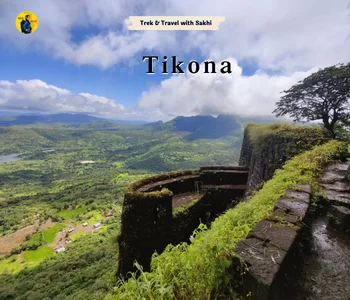
- Tikona: a short, safe climb above Pawna lake. A perfect first trek.
- Lohagad: mostly steps, very popular, easy to reach by train to Malavli.
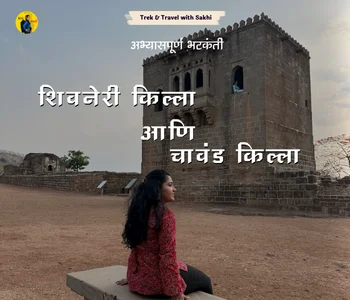
- Shivneri and Chavand: the birthplace of Shivaji Maharaj, an easy and meaningful heritage trek near Junnar.
- Raigad: a famous fort with a clear path and lots of history.
- Ratangad: a great next step once you have done a couple of easy forts.
For more ideas, see our guides to treks near Mumbai for beginners and treks near Lonavala.
What to Pack
- Comfortable trekking clothes and shoes with good grip
- 2 to 3 litres of water and some snacks
- A light jacket or raincoat depending on the season
- A small first-aid kit, personal medicines and sanitary products
- A power bank, a torch and a whistle
- An ID card, some cash and the organiser's phone number written down
- A small bag for your waste, as most trails have no dustbins
Questions to Ask a Trek Organiser
- How many people are in the group, and how many trek leaders?
- Are the trek leaders trained in first aid?
- How does the group travel, and where are the pickup points?
- What is the plan if someone is slow or unwell?
- For overnight treks: what are the stay, tent sharing and toilet arrangements?
A good organiser will answer all of these clearly before you book.
Trek Solo with With Sakhi
Many women book our treks on their own and go home with a new group of trekking friends. Every Touriko trek has certified trek leaders, first-aid support, transport from Mumbai and Pune and a planned route, so you can simply enjoy the fort. Have a question before you book? Message us on WhatsApp at +91 89768 74681. See all our upcoming treks.
Solo Women Trekking: Frequently Asked Questions
Is trekking safe for solo women in Maharashtra?
Yes, on popular routes and with good planning. The safest way to start is to join a group trek with an organiser you trust, choose an easy fort, share your plans with family and trek in daylight.
Which is the best first trek for a woman trekking solo?
Easy, busy forts like Tikona, Lohagad, Shivneri or Raigad are ideal for a first solo trek. They have clear trails and plenty of other trekkers.
Should a woman go trekking alone or with a group?
For most women, especially on a first trek, joining a group trek solo is the best choice. Trekking completely alone is better left to experienced trekkers on busy routes in daylight.
Are night treks safe for women?
Night treks should only be done with a group and an experienced leader. Carry a head torch, stay with the group and ask about the arrangements in advance.
What is the emergency number in India?
112 is the all-in-one emergency number in India for police, fire and medical help.
What should women carry on a trek?
Water, snacks, a light jacket or raincoat, a first-aid kit, personal medicines and sanitary products, a power bank, a torch, an ID card and some cash.